

Winter Driving Safety Tips: How To Stay Safe On The Road
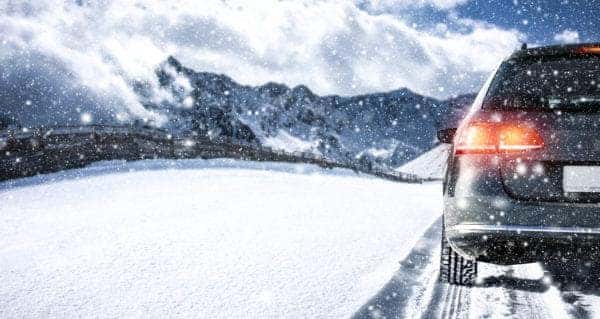
Snow and ice command a healthy dose of respect in the Inland Northwest. Winter roads have their own set of rules and safety tips for drivers, from winter driving best practices to preparing your car for the season. Follow our winter driving tips to stay safe during your cold-weather trips.
How to Stay Safe on the Road with 7 Crucial Winter Driving Tips
- Check the weather
Pay attention to the weather forecasts and news before you drive. If there are any signs of ice accumulating on the roadways or a significant accumulation of snow has fallen, avoid driving. Ice is truly treacherous, and no amount of experience can completely remove the danger it poses. Heavy snow conditions can render a car (or even a AAA rescue tow truck) stranded.
- Prepare your car for winter conditions
If you must drive in snow, do yourself a favor and be sure your car is ready.
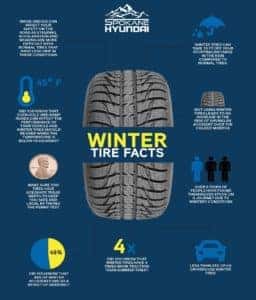
- Equip your vehicle with winter tires! Our geography necessitates snow tires, have them ready and put them on before the first storm comes in. Did you know that winter tires provide 4 times more traction than summer tires?
- Check the tread depth on your tires. If it is too low, get a new set (this applies year-round).
- Check your battery, antifreeze, and washer fluid levels.
- Always keep your gas tank more than half full.
- Drive slowly and deliberately
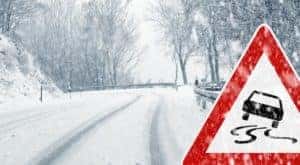
It can be easy to lose traction on icy roads, especially for rear-wheel drives. Be mindful of your steering and watch for other cars and potential dangers on the road. Giving yourself enough time to make a turn or notice and steer clear of any hazards will help prevent slipping.
- Allow extra time when coming to a stop
Reduced traction means your typical “2 car lengths” safe driving distance is not enough, even when driving slowly. Give your fellow drivers extra space to keep everyone safe.
- Steer into a skid
Did you know that 48% of winter accidents are a result of skidding?
If your car starts to skid, ease off the accelerator and do not slam on the breaks. Steer in the direction that the rear of your vehicle is going. Once you have regained control, gently accelerate to driving speed.
- Pack cold weather survival and emergency supplies in your car
Over 1/3 of American drivers have found themselves stranded on a journey due to wintery conditions.
Gather these items in your car as a cold weather roadway emergency kit:
- Thermal clothing, extra dry clothing, and blankets
- High-visibility items such as reflective tape, glow sticks and flares
- Cell phone chargers
- High-energy food, such as power bars, and water. Keep them in an insulated bag in the back seat, as opposed to the trunk, to keep them from freezing.
- Maps, as you may be in an area without a cellphone signal
- Whistles to alert people to your location
- Spare medication
- A first aid kit
- Single-use heat packs (lots of them)
- An extra toy (or three) for your children to keep their spirits up as you sort out a solution
- Do not power up hills
If you cannot avoid the hill altogether, almost impossible in Spokane, go slowly and use a low gear. Do not try to power up the hill. Too much acceleration will cause your wheels to spin rather than move you forward. Do not stop until you reach the top or you could get stuck or go backwards.
Adverse winter driving conditions need to be taken seriously. Too often, we fall back on routine and become lax, but when you set out to drive on ice or snow, you should always treat it as if you know something will go wrong. Speaking from experience, no matter how confident you feel venturing out, winter weather has a way of humbling even the most experienced of drivers!
Stay Safe and Enjoy Winter
Craig Fruin, General Manager
0 comment(s) so far on Winter Driving Safety Tips: How To Stay Safe On The Road