

Protecting Your Car in the Pacific Northwest
The climate of the Pacific Northwest is typically favorable to cars, especially their exteriors. It’s not unusual to see people driving 40-year-old vehicles daily because rust isn’t a significant issue for the PNW. But does that mean you shouldn’t worry about the exterior of your car? Not necessarily. All climates impact the exterior and moving parts of a vehicle, and regular maintenance is needed. At Spokane Hyundai, we want to share our tips for protecting your vehicle from the weather. Here’s a look at the actions you should take:
Prevent Pine Needle Build-Up on Your Car
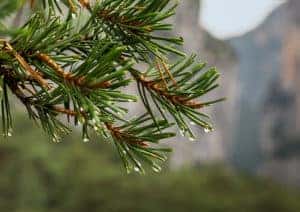
Image via Flickr under CC BY 2.0 by docoverachiver
Pine trees are a common feature of the Pacific Northwest, and their needles are everywhere. Unfortunately, the needles accumulate in the gutter under your car’s windshield wipers and hold water after every rainstorm. The combination of pine needles and moisture can cause the engine shield and windshield wipers to rot over time. It’s an even bigger issue when the temperatures get below freezing and create an ice dam full of pine needles in your windshield gutter. This problem can trap the windshield wipers and make you wait for the car to warm up to turn on the defrosters.
Wipe off pine needles whenever you see a substantial accumulation. For example, if you park your car for long periods, consider putting a protector over the windshield to prevent pine needles from collecting.
Check Your Car Tires and Fluids During Heatwaves
Heatwaves are becoming more common in the PNW, which puts cars under more strain. The region’s mild climate doesn’t typically strain cars and makes them more vulnerable to temperature fluctuations. High temperatures can cause tires to overinflate and cause your car to overheat if the radiator fluid is low. External heat also affects the oil in your vehicle by causing it to break down sooner and become less effective as an essential lubricant.
Your car may or may not have a tire pressure sensor depending on its age. Nevertheless, it’s a good idea to keep a manual tire gauge handy to check tire pressure when you notice your wheels don’t look like they’re properly inflated. Then, adjust the tire pressure accordingly as you check each one.
Check the oil dipstick to determine the quality of the oil. When the oil looks dark or dirty, bring it to Spokane Hyundai for an oil change and take advantage of our service specials. Your car gets a new filter and fresh oil to help it run better and get through the strain of a heatwave.
Radiator fluid is checked by looking at the fluid level in the reservoir. When it seems low or is below the fill mark, pour some in and top it off to help your car’s engine maintain its proper operating temperature.
Regularly Clean the Underside of Your Car
Rains wash dirt and debris onto the roadways, and winter snows bring brine, magnesium chloride, and sand. All of these contaminants get flung to the underside of your car, clogging up moving parts and acting as abrasives. The abrasives slowly grind away vital components in your car’s undercarriage. This build-up can result in an expensive repair bill down the road, cause your brakes to be replaced sooner than they should, and affect the drivetrain. Instead, take your car to a carwash with equipment to wash the underside of your vehicle once a month.
Apply a Rain Repellent to Your Car’s Exterior
Believe it or not, your car’s paint can get moldy from too much exposure to rain. It can happen regardless of how long you let it sit or not. Getting rid of mold from the car’s paint is tough, and the sooner you tackle the problem, the less elbow grease and cleaner you’ll need. You can use vinegar and water to eliminate mold, but if it’s not strong enough, look into cleaners intended for semi-trucks and heavy-duty vehicles.
Start the cleaning process by clearing all debris off the exterior and the inside door panels. Use a power washer to lift as much mold from the paint before using cleaners. Don’t have a power washer? Head over to the self-service wash and use the washing wand in the bay. Work from the roof down to push the mold to the ground instead of into the air. Afterward, apply a solution of eight parts vinegar to two parts water to the paint, let the solution soak in, then use a microfiber towel to clean off the car.
Keep Your Car Under a Shelter or in a Garage
The best protection for your car in the PNW is to keep it under a car cover, portable shelter, or garage. Everyone’s living situation is different, and a portable shelter or garage may not be an option, but you can use a car cover for periods of inclement weather. A garage will always be the best for a car as it’s climate-controlled and protects from above and all four sides, but if the house doesn’t have an existing garage, building one can be expensive.
When you have the option to put in a shelter, but not a lot of money, a portable shelter works very well to protect your car at a lower cost. The shelters feature a roof and open sides that can be partially enclosed with panels and fixed in place. As a result, you gain a spot to park your car that protects it from the worst of the elements. In addition, you’ll enjoy the fact that there’s no more pushing snow off your vehicle before you go somewhere and a cooler interior temperature during heat waves.
Car Care At Spokane Hyundai
That wraps up our look at how to protect your car from the climate of the Pacific Northwest. Did we miss a tip that you think readers should know about? Drop us a line and let us know about what you do to keep your car from being damaged by inclement weather and debris. We’ll be sure to add it to this list when we next update the article!
0 comment(s) so far on Protecting Your Car in the Pacific Northwest