

NHSTA Proposes Mandatory Emergency Braking Requirement for all New Vehicles
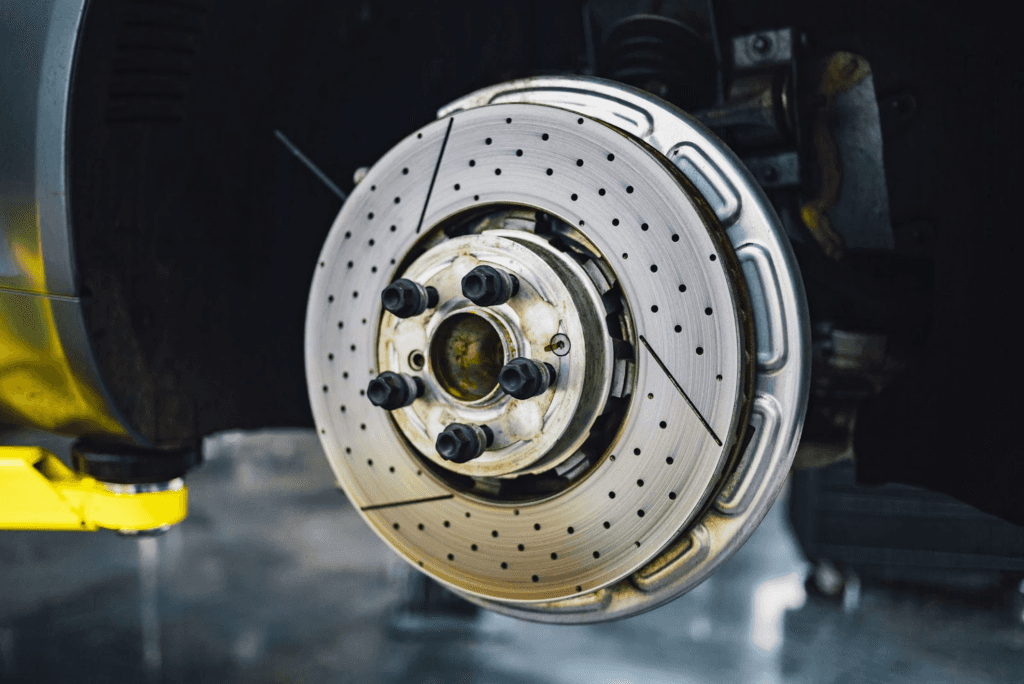
The National Highway Traffic Safety Administration (NHTSA) of the U.S. Department of Transportation proposed a new requirement recently. This proposal would require automatic emergency braking (AEB) and pedestrian AEB systems on passenger cars and light trucks. The proposed rule is expected to dramatically reduce crashes associated with pedestrians and rear-end crashes.
If the proposed rule by NHTSA is implemented, it is estimated that it would save a minimum of 360 lives per year and lead to a reduction of at least 24,000 injuries annually. These figures highlight the significant impact and longterm positive outlook with this new law. In addition, these AEB systems would result in significant reductions in property damage caused by rear-end crashes. Many crashes would be avoided altogether, while others would be less destructive. This new rule would give automakers 3 years to implement this technology in all new vehicles.
While many automakers will need to scramble to implement this potential new rule on all new vehicles, Hyundai already includes automatic emergency braking in the form of Forward collision avoidance assist with pedestrian detection (FCA-PED). All vehicles, even the entry level Venue and Elantra (Hyundai’s most affordable vehicles) offer standard FCA-PED, along with superior braking thanks Braking Assist.
“Hyundai’s AEB safety technology, Forward Collision-Avoidance Assist, is now standard on 100% of our lineup of cars and SUVs in 2023. We are proud to offer this life-saving technology on our new Hyundai vehicles. It speaks to our organizational dedication to vehicle safety and the industry’s ability to work together and advanced motor vehicle safety voluntarily.”
Brian Latouf, Chief Safety Officer, Hyundai Motor North America

How Does Hyundai’s Automatic Braking System Work?
Hyundai’s Forward Collision Avoidance Assist (FCA) is an advanced safety feature designed to help prevent or mitigate collisions by detecting potential obstacles or vehicles in front of the Hyundai vehicle and even braking if necessary. Here’s how it works:
- Sensor Detection: The FCA system utilizes various sensors such as radar, lidar, or cameras located in the front of the vehicle to continuously monitor the road ahead.
- Object Recognition: The sensors detect and analyze the surrounding environment, including vehicles, pedestrians, or other potential obstacles within the system’s field of view.
- Collision Risk Assessment: The FCA system assesses the detected objects’ proximity, speed, and trajectory to determine if a collision is imminent or if there is a high risk of collision.
- Visual and Audible Warnings: If the FCA system determines a potential collision, it alerts the driver through visual and audible warnings, such as flashing lights, beeping sounds, or a heads-up display, to prompt immediate driver intervention.
- Autonomous Braking Assistance: In certain situations where the driver fails to respond to the warnings, the FCA system can apply the vehicle’s brakes autonomously to help mitigate or avoid a collision. The system’s braking assistance is typically designed to provide an additional safety measure but does not replace the driver’s responsibility to maintain control of the vehicle.
Hyundai’s Forward Collision Avoidance Assist is a valuable safety feature that acts as an extra set of eyes on the road, helping to prevent accidents or reduce their severity by providing timely warnings and intervention when necessary. It is important to note that the specific functionality and capabilities of the system may vary depending on the vehicle model and the version of the FCA technology implemented.
Stay up to date with all new Hyundai news by following our blog.
0 comment(s) so far on NHSTA Proposes Mandatory Emergency Braking Requirement for all New Vehicles