

Essential Winter Vehicle Maintenance: Keeping Your Car Running Smoothly in Cold Weather
As winter settles in, the combination of icy roads, freezing temperatures, and unpredictable weather can take a toll on your vehicle. Proper winter maintenance ensures your car stays reliable and safe through the season’s challenges. Here’s a comprehensive guide to winterizing your vehicle and avoiding costly breakdowns.
1. Inspect and Replace Your Tires

Winter roads demand excellent traction, especially in snowy and icy conditions. Here are key steps to prepare your tires:
- Switch to Winter Tires: All-season tires might not provide sufficient grip in extreme cold. Winter tires are designed with softer rubber and deeper treads for optimal performance.
- Check Tread Depth: Ensure the tread depth is at least 4/32 inches to avoid slipping on slick roads.
- Monitor Tire Pressure: Tire pressure decreases in cold weather. Check it regularly, as underinflated tires can reduce fuel efficiency and handling.
2. Test Your Battery
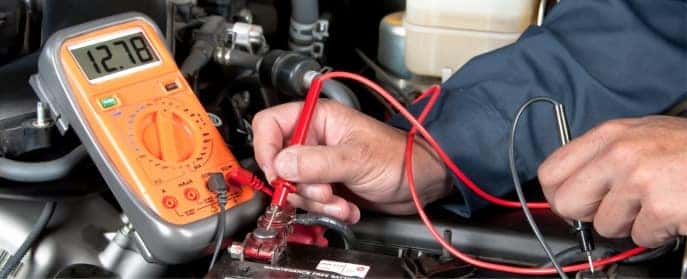
Cold temperatures can strain your car’s battery. Batteries lose a significant portion of their power in freezing conditions, making it harder to start your engine.
- Test Voltage: Have your battery tested at a service center to ensure it’s holding a full charge.
- Clean Terminals: Remove any corrosion to maintain a strong connection.
- Consider Replacement: If your battery is over three years old, it might be time to replace it for peace of mind.
3. Ensure Proper Fluid Levels
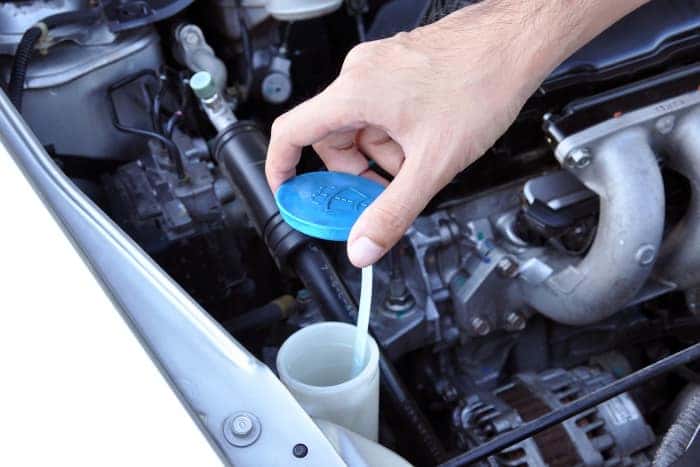
Fluids are the lifeblood of your car, and freezing temperatures can impact their performance.
- Antifreeze (Coolant): Check the antifreeze level and its freeze point. A 50/50 mixture of antifreeze and water works best in winter conditions.
- Oil: Use the manufacturer-recommended oil for cold weather, as some oils flow better in low temperatures.
- Windshield Washer Fluid: Use a winter-grade washer fluid that won’t freeze and keep your windshield clear.
4. Inspect the Heating System
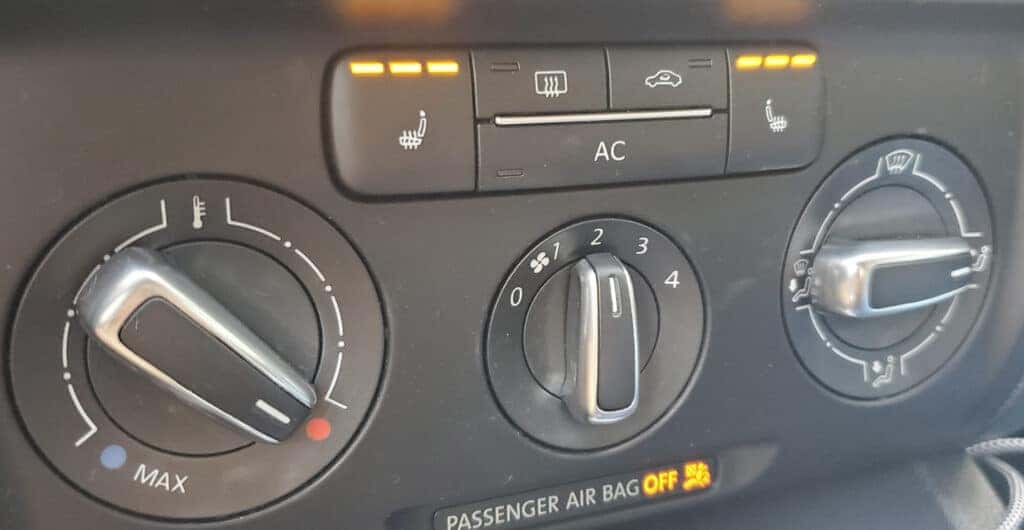
A functional heating system isn’t just about comfort—it’s also essential for visibility.
- Check the Defroster: Ensure your defroster effectively clears your windshield of frost and fog.
- Inspect Cabin Air Filters: A clogged filter can reduce airflow to your heater and defroster.
5. Inspect Wipers and Lights
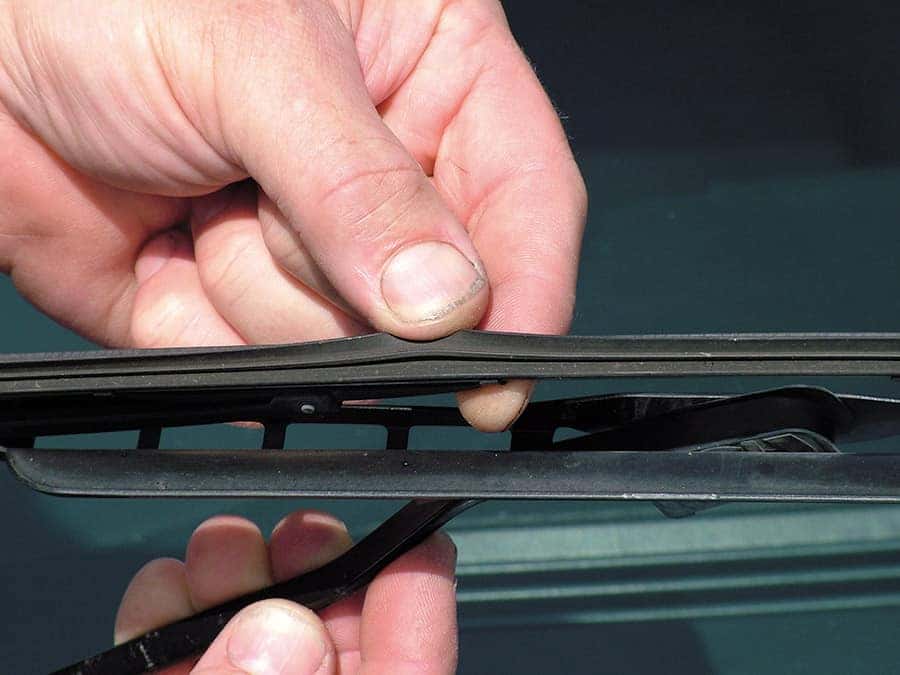
Visibility is crucial during winter storms and shorter daylight hours.
- Replace Wiper Blades: Old or cracked wiper blades can leave streaks on your windshield. Consider heavy-duty winter blades for optimal performance.
- Check All Lights: Ensure headlights, taillights, and turn signals are bright and functioning. Clean off snow or grime that might dim your lights.
6. Maintain Your Brakes
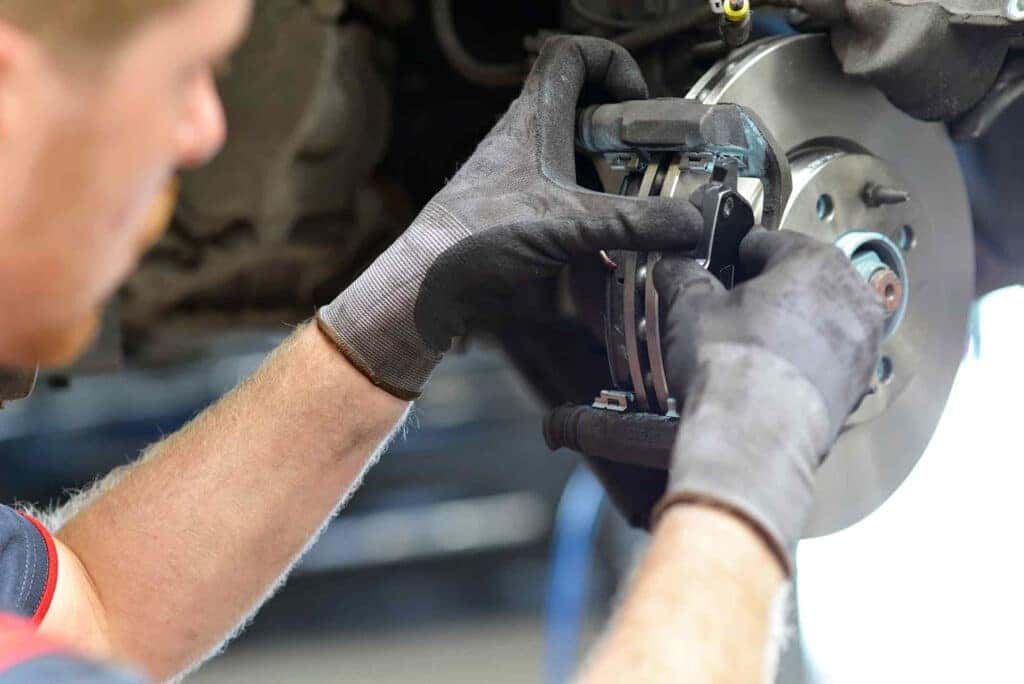
Winter roads often mean reduced traction, making well-functioning brakes even more critical.
- Listen for Unusual Noises: Grinding or squealing sounds may indicate worn brake pads.
- Have a Professional Inspection: Ensure your brake fluid levels are adequate, and there’s no excessive wear on the pads or rotors.
7. Keep an Emergency Kit
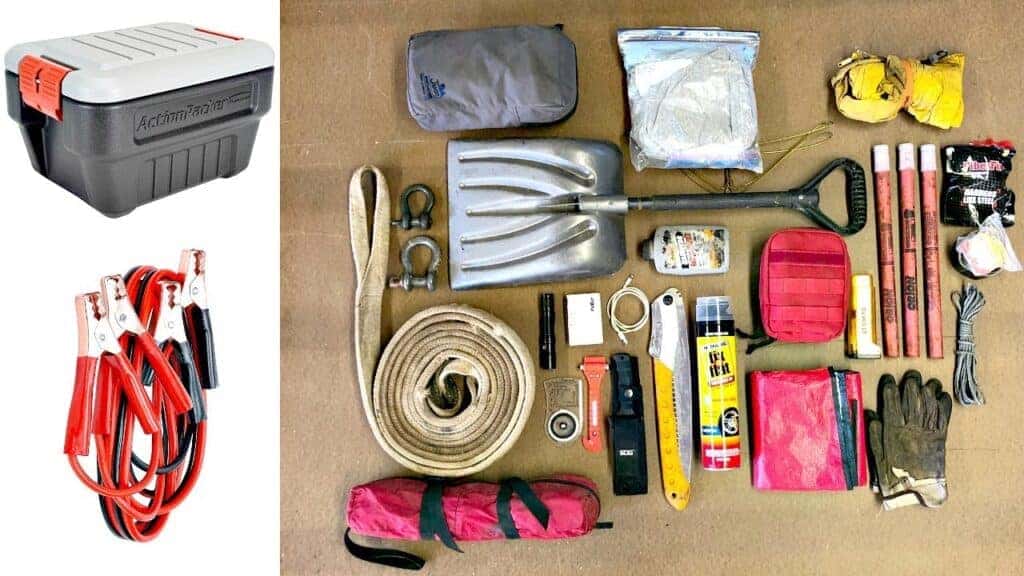
Even with proper maintenance, winter weather can be unpredictable. Equip your car with an emergency kit that includes:
- A shovel and ice scraper
- Jumper cables
- Warm blankets and clothing
- Flashlights and batteries
- Sand or kitty litter for traction
- Non-perishable snacks and water
Conclusion
Winterizing your car isn’t just about avoiding breakdowns—it’s about ensuring your safety and the safety of others on the road. Regular maintenance checks, high-quality winter tires, and the right fluids can make all the difference in keeping your vehicle reliable in harsh conditions.
If you’re in the Coeur d’Alene, Spokane, or Deer Park areas, consider visiting a trusted local auto shop for professional winter vehicle servicing. With the right preparation, you can confidently navigate through the winter season, no matter how cold it gets.
0 comment(s) so far on Essential Winter Vehicle Maintenance: Keeping Your Car Running Smoothly in Cold Weather